What to check before booking an aesthetic treatment
Start with a clear goal for your treatment
Before you look at any clinic or practitioner, take a moment to decide what you actually want to address. Are you hoping to reduce fine lines, improve skin texture, or soften a specific concern? Being clear on your own expectations helps you filter options and avoid being swayed by promotions or popular trends. A treatment that works well for someone else may not suit your skin type, age, or health background. Write down your main concern and any areas you want to avoid treating. This simple step will guide every other check you make.
Verify practitioner credentials
The person performing your treatment matters more than the clinic's name or the brand of product used. In the UK, aesthetic treatments such as anti-wrinkle injections, dermal fillers, and certain skin peels are not restricted to doctors alone. Nurses, dentists, and even some beauty therapists can offer them, but their training and experience vary widely. Check that the practitioner holds a recognised qualification in the specific treatment you want. Look for membership in a professional body such as the Joint Council for Cosmetic Practitioners (JCCP), the British Association of Aesthetic Plastic Surgeons (BAAPS), or the General Medical Council (GMC) if they are a doctor. Ask how many times they have performed the procedure and whether they handle complications. A confident practitioner will answer these questions openly.
Book a proper consultation first
A reputable clinic will never proceed without a face-to-face or video consultation. During this meeting, the practitioner should discuss your medical history, any medications you take, your allergies, and your skin's current condition. They should also explain what the treatment can and cannot achieve, the likely results, possible side effects, and the recovery process. If a clinic offers to treat you immediately after a brief chat or via a questionnaire alone, consider that a red flag. A thorough consultation protects you and helps the practitioner tailor the treatment to your needs. It is also your chance to ask about the product brands they use, the expiry dates, and whether the products are stored correctly.
Check the treatment menu and product range
Not all clinics offer the same treatments, and not all products are equal. Look at the clinic's treatment menu to see whether they specialise in the area you want. A clinic that offers a wide range of services may be a good choice if you plan to try multiple treatments over time, but a specialist clinic may have deeper experience in one area. Ask what brands they use for injectables, skin peels, or devices. Well-known brands such as Allergan, Galderma, and Merz have strict supply chains and quality controls. Be cautious if a clinic uses unbranded or unfamiliar products, or if they cannot tell you the manufacturer. The same applies to laser and energy-based devices: check that the equipment is maintained and calibrated regularly.

Read client reviews with a critical eye
Online reviews can give you a sense of a clinic's reputation, but they are not the whole story. Look for patterns in feedback rather than focusing on a single glowing or negative review. Pay attention to comments about the consultation experience, the practitioner's bedside manner, the cleanliness of the clinic, and the aftercare provided. Reviews that mention specific results or side effects are often more useful than vague praise. Also check third-party platforms like Google Reviews, Trustpilot, or independent aesthetics forums. Some clinics selectively display only positive reviews on their own websites, so cross-reference elsewhere. If you see multiple reviews mentioning poor aftercare or unprofessional behaviour, take those seriously.
Consider the clinic location and environment
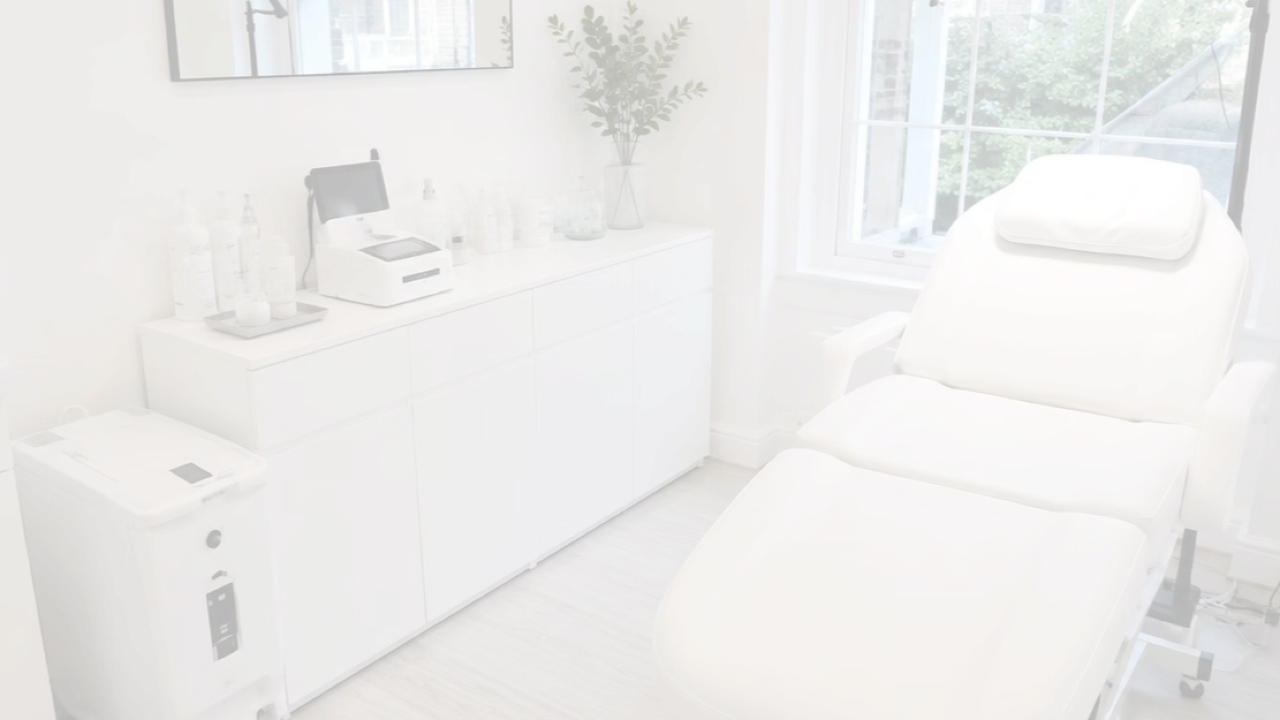
The clinic's location matters for convenience, but more importantly for safety and comfort. A clinic that is easy to reach means you can attend follow-up appointments without stress. When you visit, notice the cleanliness of the reception area, treatment rooms, and washrooms. Staff should follow hygiene protocols such as using single-use needles, opening fresh product vials in front of you, and wearing gloves. The atmosphere should feel professional and calm, not rushed or chaotic. A clinic that is part of a larger medical centre or hospital may have additional safety protocols. Independent clinics can also be excellent, but they should still meet the same standards of cleanliness and professionalism.
Ask about aftercare and follow-up
Good aftercare is a sign of a responsible clinic. Before you book, ask what happens after the treatment. Will they contact you to check on your recovery? Can you reach them by phone or email if you have concerns? Do they offer a follow-up appointment to review the results? Some treatments require multiple sessions spaced weeks apart, so confirm the schedule and whether the cost includes those sessions. Also ask what to do if you experience a complication, such as swelling, bruising, or an uneven result. A clinic that provides clear aftercare instructions and a direct line of communication shows that they care about your safety, not just the sale.
Review the consent forms and cancellation policy
A professional clinic will ask you to sign a consent form that outlines the treatment, risks, and expected outcomes. Read this document carefully before signing. It should include information about the product, the practitioner, and what to do if something goes wrong. The cancellation policy should also be transparent: how much notice you need to give, whether you lose your deposit, and what happens if the clinic cancels. Avoid clinics that pressure you to pay in full upfront or that have vague or unfair terms. A clear, written policy protects both you and the clinic.
Before making a final decision, take time to compare a few clinics offering aesthetic treatments in your area. Look at their websites, read their consent forms, and note how they handle enquiries. The best choice is often one where you feel informed, respected, and not rushed. Trust your instincts: if something feels off during the consultation, it is perfectly acceptable to walk away and look elsewhere. Your safety and satisfaction depend on the checks you do beforehand, not on the price or the promise of quick results.

When you start searching, focus on clinics offering aesthetic treatments that have a strong track record of safety and transparency. The effort you put into research now will save you from disappointment or harm later. Remember that your skin is unique, and a treatment that works for one person may not work for you. By following these checks, you give yourself the best chance of a positive experience and results you can feel good about.
Corrections
Spot something wrong? Send it to the desk and it gets fixed in the open.